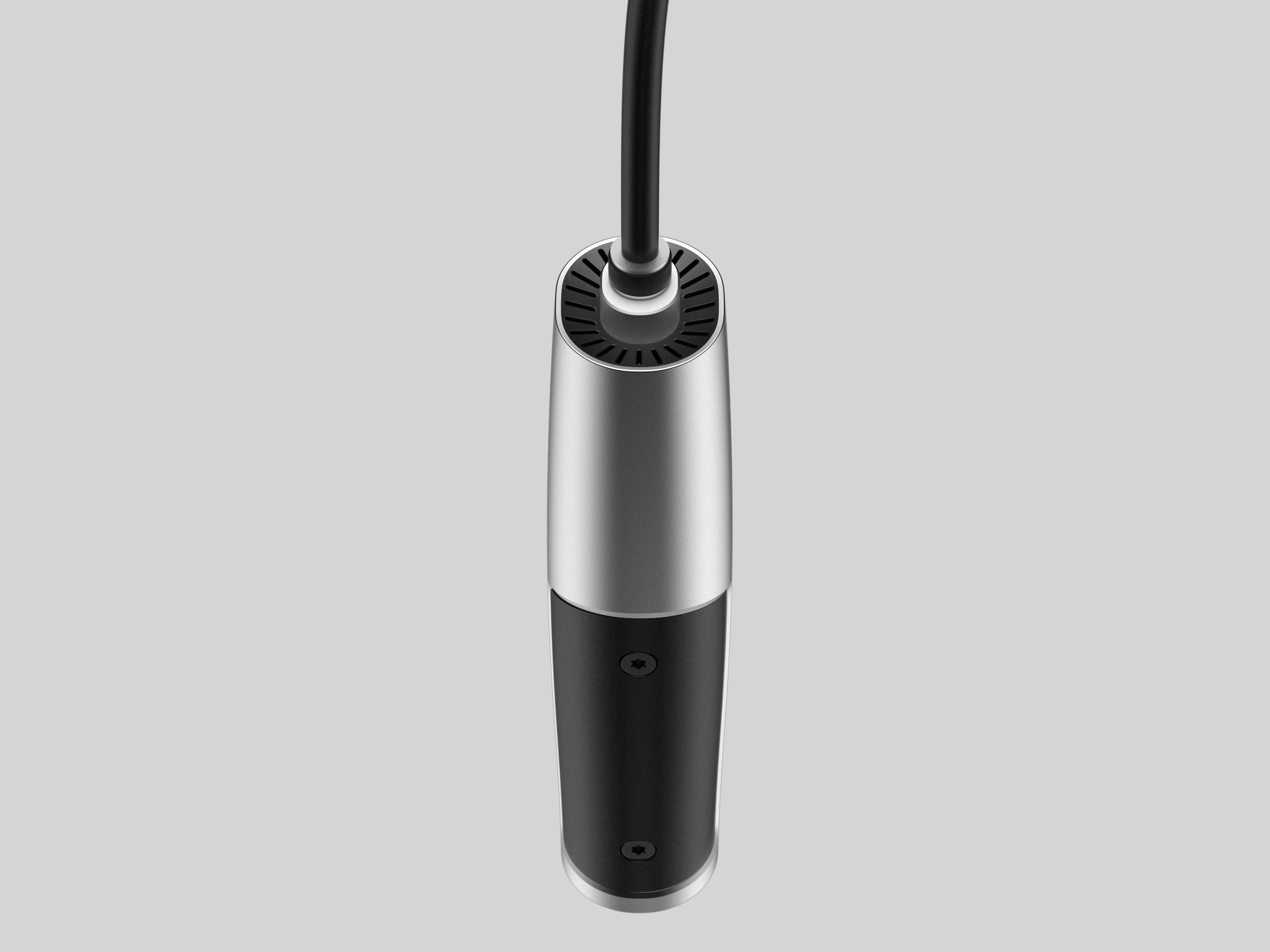
A new approach towards the collecting, securing and analyzing of body fluid DNA
In collaboration with the Swedish (forensic) police
2021
Problem statement
RASPEC is the result of a 10-week solo project following a Human-Centered Design approach to discover and design new oppportunities for the Swedish (Forensic) Police, focusing on new tools for Crime Scene Investigators. At the moment, the procedure for analyzing, collecting and securing body fluid DNA at crime scenes is inefficient and time consuming. Multiple, repetitive actions that require small tools and fine motor skills have to be performed for each individual piece of potential evidence, often in extreme cold and darkness. All this potential evidence is sent to the Swedish National Forensic Centre (NFC) which results in an overload of work and increasing waiting queues for lab results that slow down investigations.
Solution
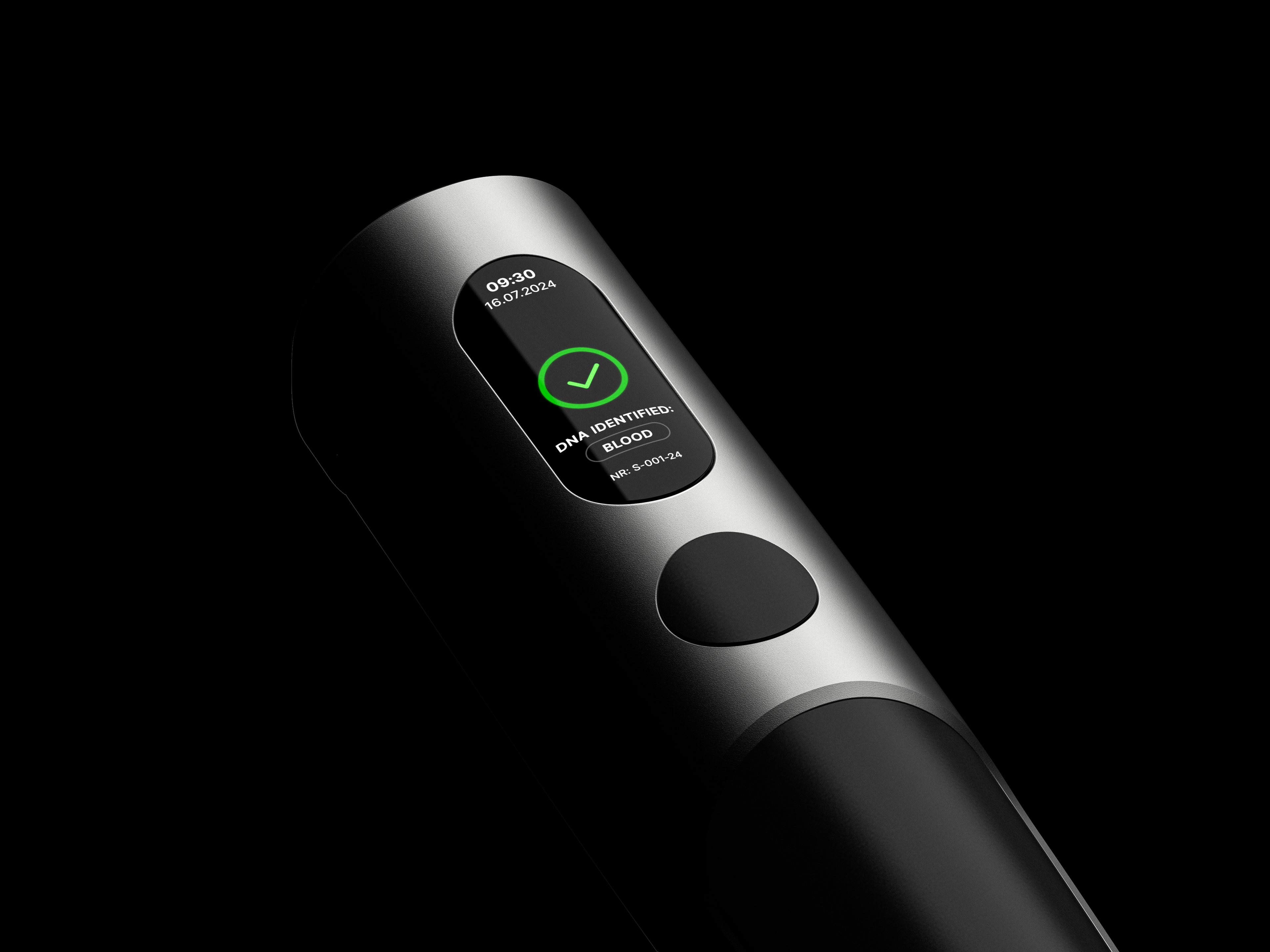
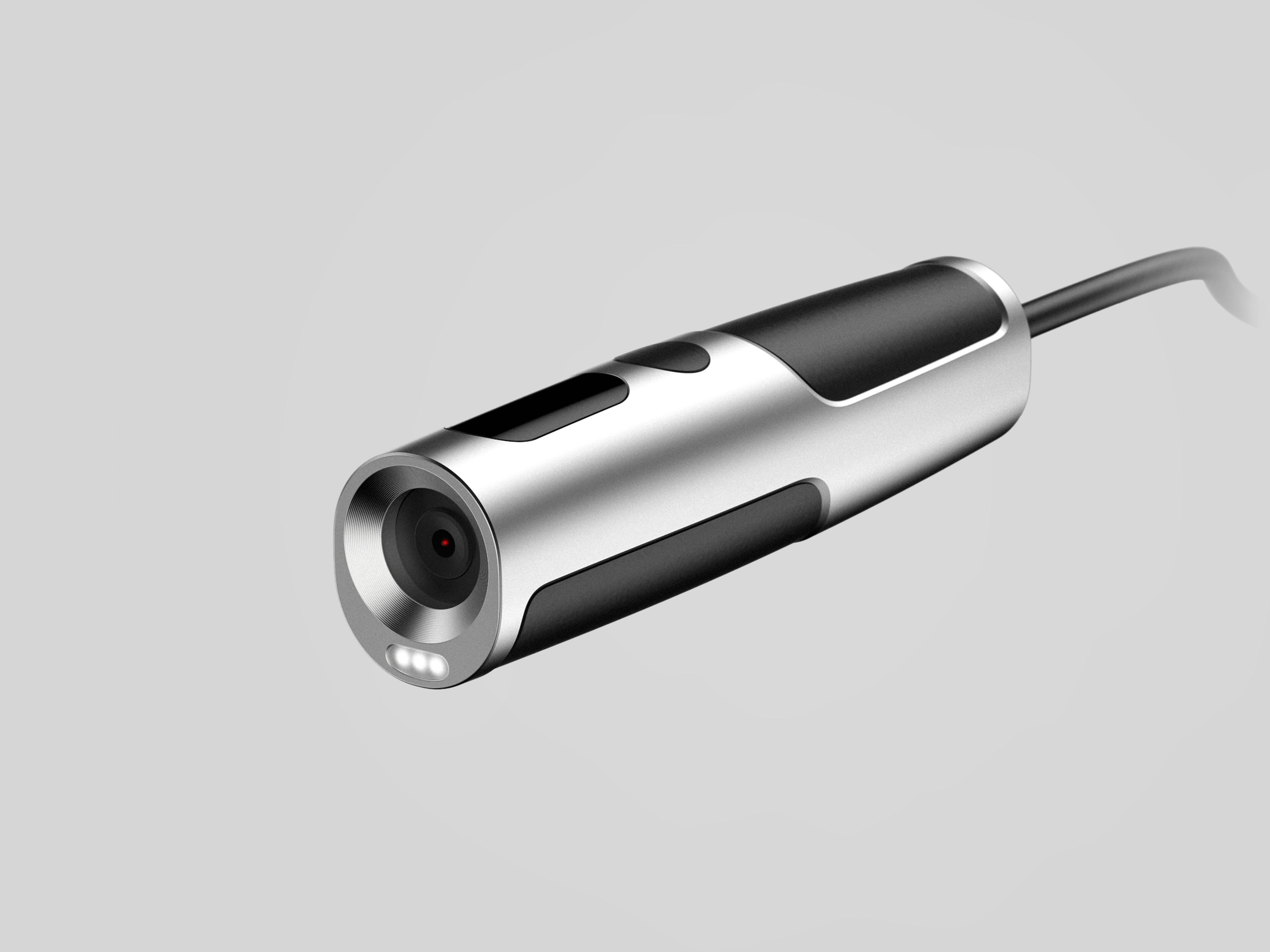
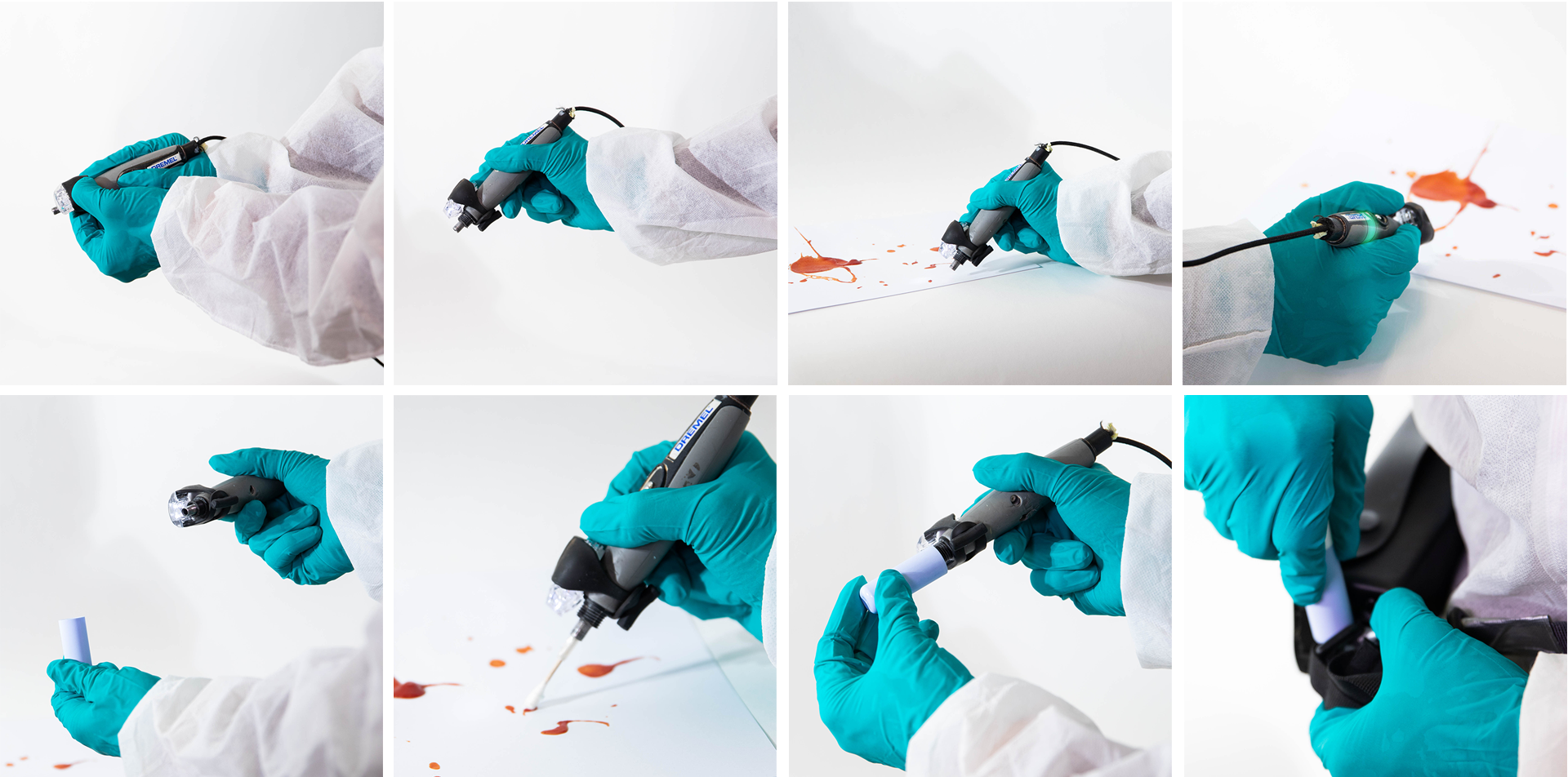
RASPEC introduces a new, more efficient procedure to analyze, collect and secure body fluid DNA. Rather than using chemicals for analyzing potential DNA samples, it uses Raman Spectroscopy which offers a non-destructive, fast and reliable alternative. Projecting a laser at a potential sample generates a wavelength that can be directly compared with samples from a database (e.g.; blood, semen & saliva). This results in an almost instant on-screen analysis outcome, eliminating the need for chemical testing to determine if the sample contains evidence. This not only reduces the amount of tools used and samples being swabbed at a crime scene, it also eliminate swabs that do not contain any evidence.
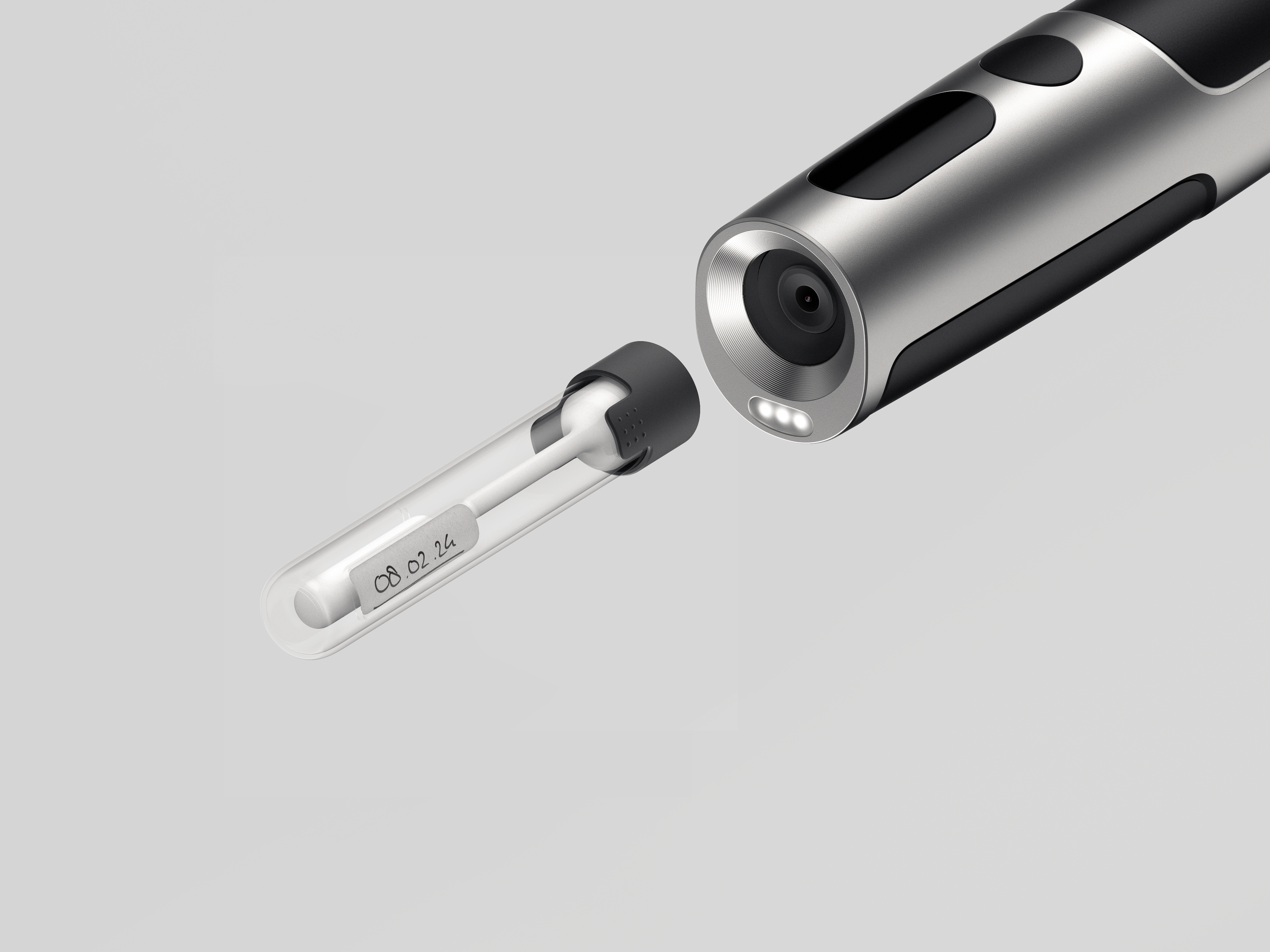
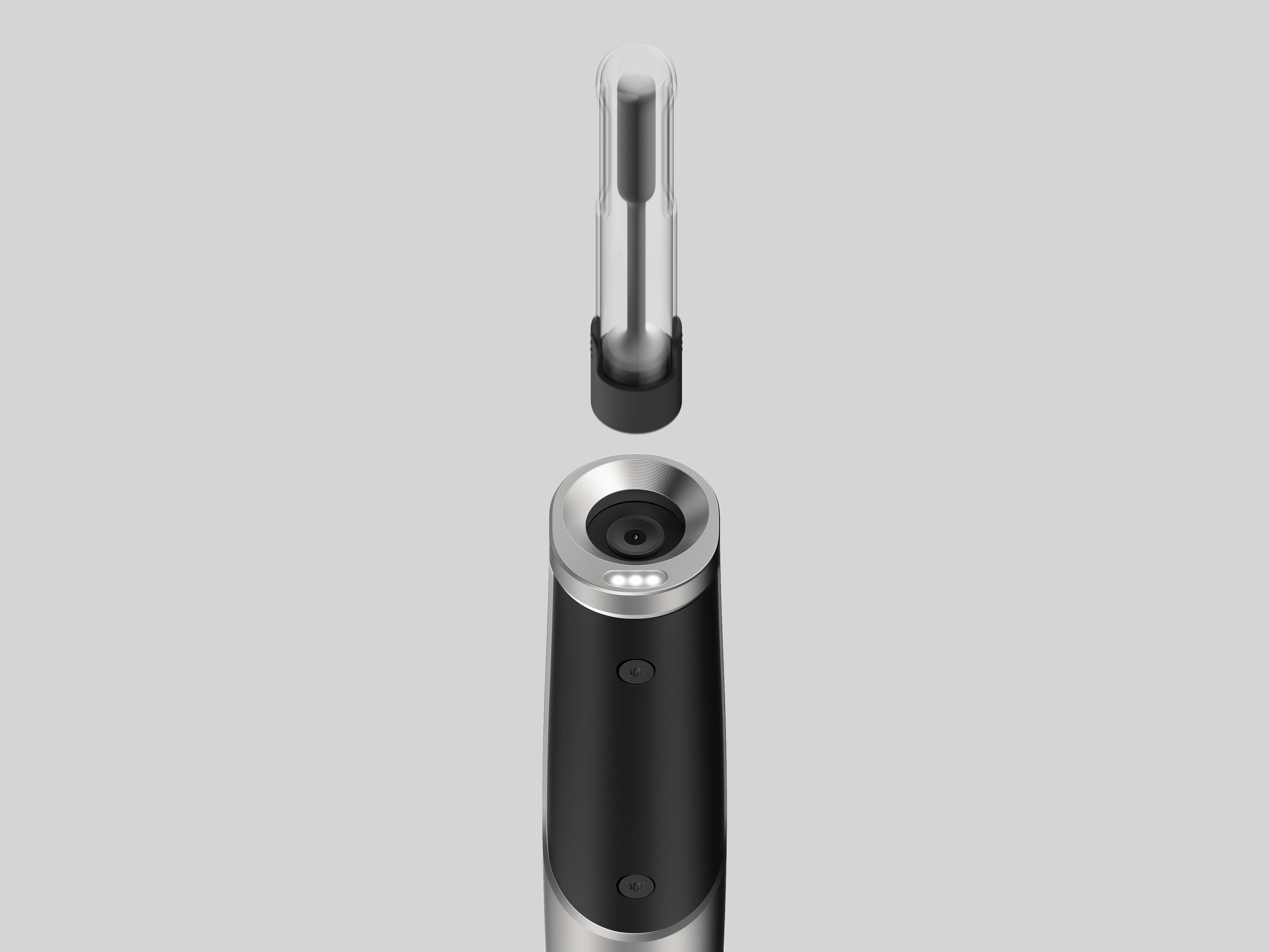
Furthermore, redesigned swab capsules allow for quick and easy swab collection and securing. If the sample contains DNA, the forensic can simple click-on the capsule through a magnetic bayonet-like mechanism, detach the capsule cap and swab the sample. After collecting the sample, the cap can be attached and the swab container can be taken out in its whole.
Process
Field trip police academy & forensic experts - The research started with three days of field research. The first two days took place at the Police education unit at Umea University. These sessions were all about how patrolling officers approach a crime scene and secure potential evidence (footprints, DNA & fingerprints). The third day took place at the Umea Police station where we met two forensic crime scene investigators. We learned about their workflow, responsibilities, the tools they use and the things they have to deal with.
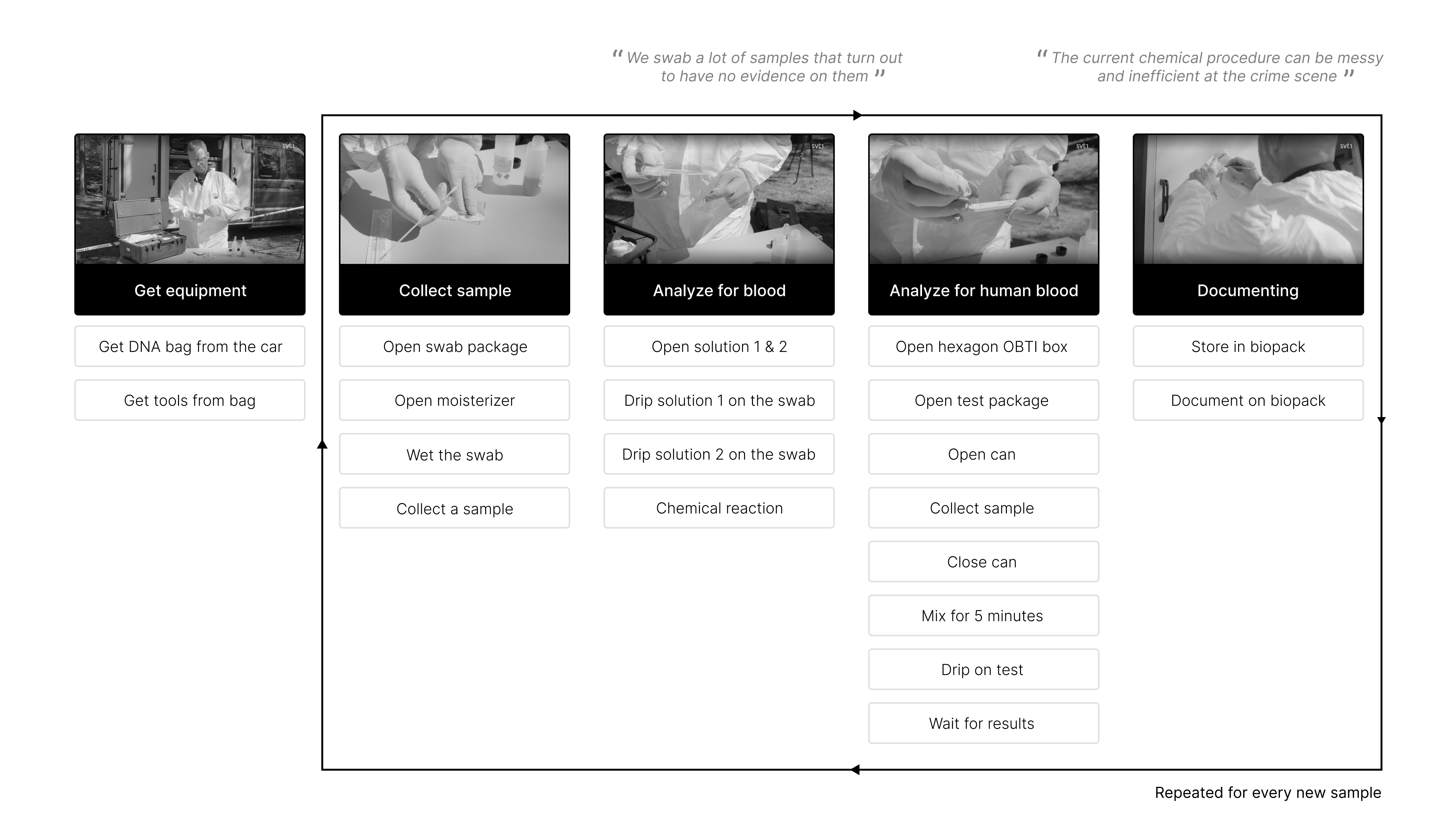
Internal research & experience prototyping - All findings from the field research were clustered and transformed into opportunities and painpoints. The painpoints that stood out were: 1) The large amount of evidence which is sent to NFC which results in long waiting queues slowing down the investigation; 2) Fine motorskill actions with small tools that have to be performed in extreme conditions. 3) A lot of repetitive steps that have to be performed for each individual piece of evidence.
Based on these pain points, the project’s scope was centered on assessing the relevance of specific evidence before forwarding it to NFC, reducing the need for fine motor skills, and simplifying the steps for collecting and analyzing potential DNA.
Benchmark research - Benchmark research into alternative analyzing methodologies compared to the chemicals currently used, have been explored. This uncovered the potential of using portable spectroscopy, which uses a laser to analyze samples. This technology has proven to be efficient and reliable in industries as agriculture, military and chemical sectors. Specifically Raman spectroscopy demonstrate the most potential for this project, since it is non-destructive to evidence, gives fast results, requires very low sample concentrations and is not senstive to water or snow.
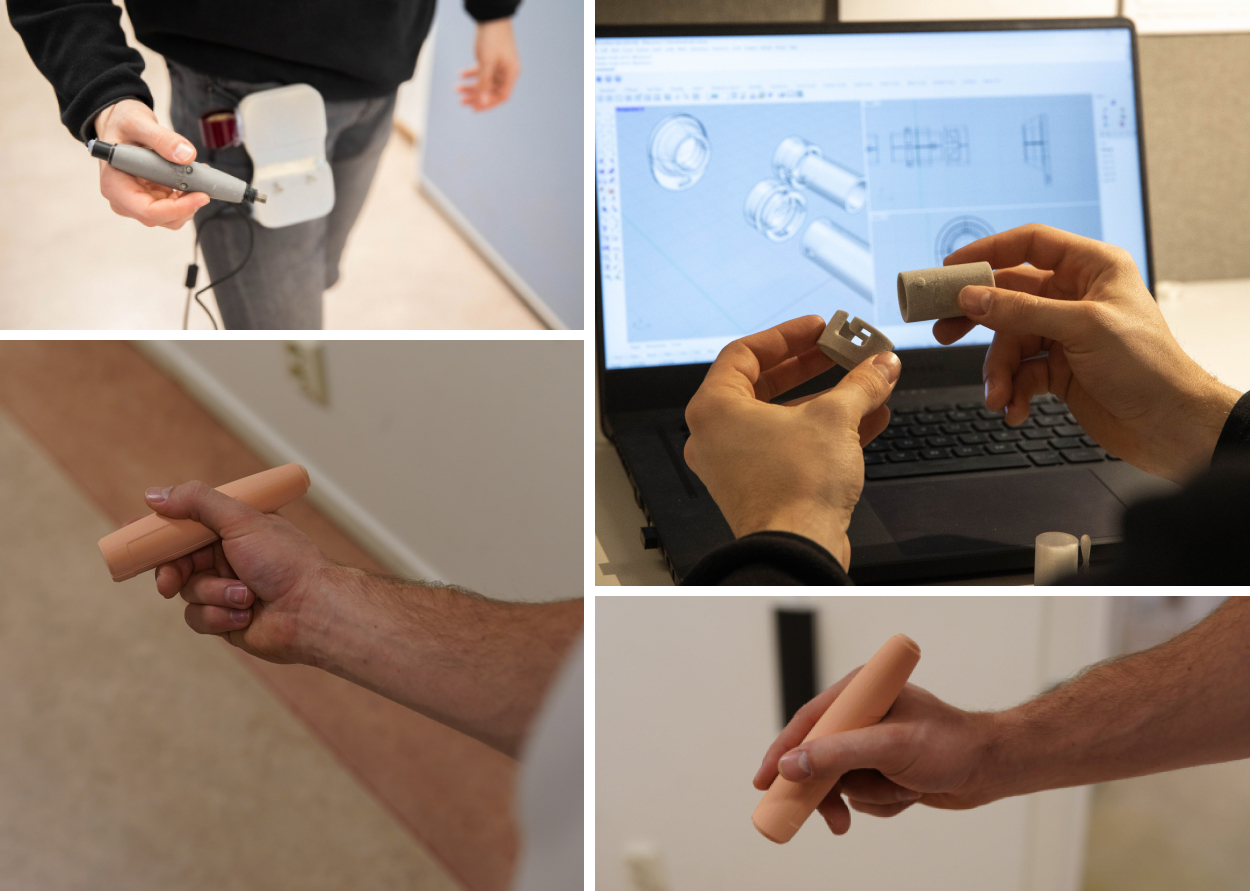
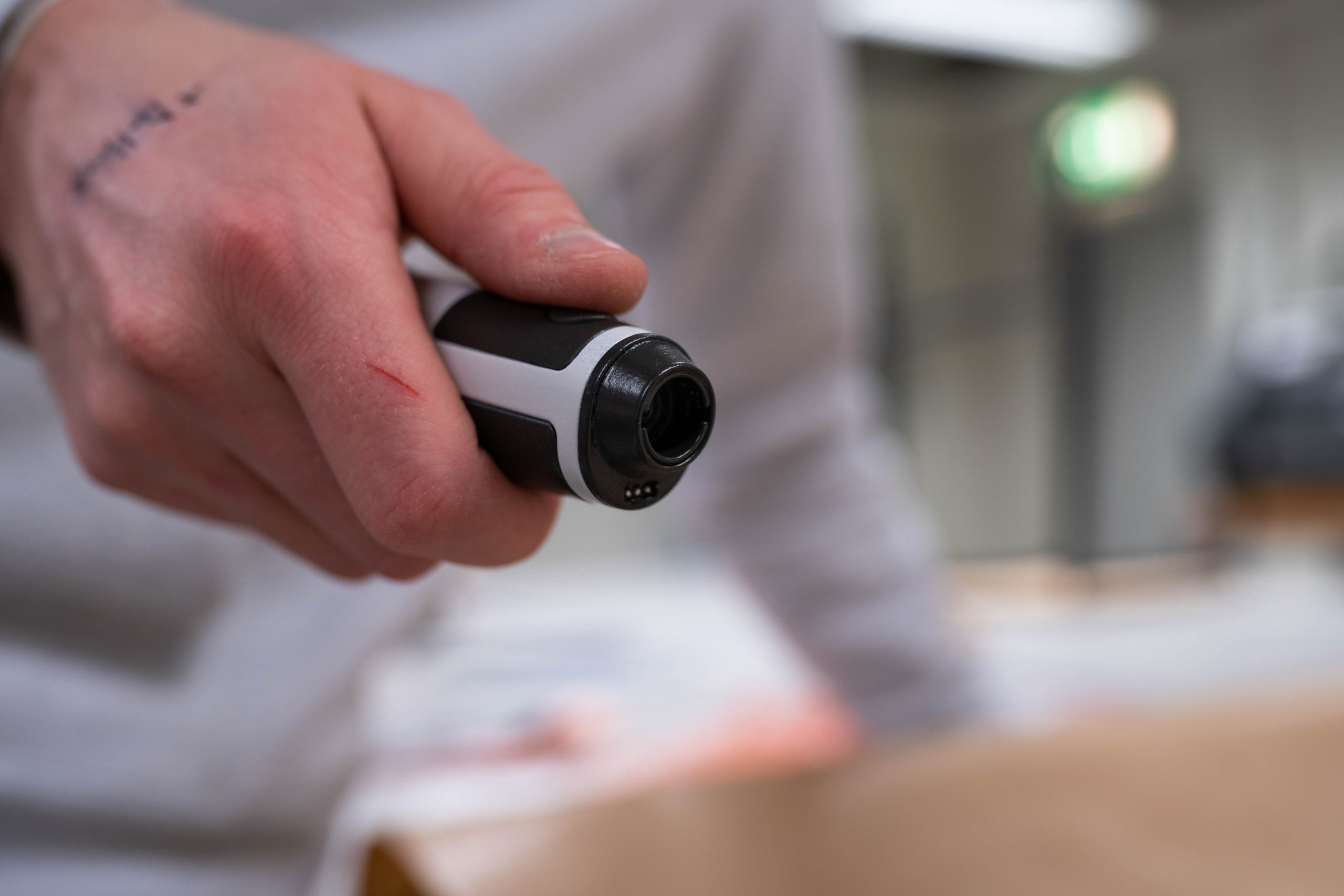
Experience prototyping - First grip and size explorations were done to validate the size of the portable scanning device. A dremel, gluegun and power drill with a swab inserted where tested. For the precise motion required, the dremel form-factor tested the best. Based on this finding, a very rough prototype was created to roleplay and experience a DNA collecting procedure.
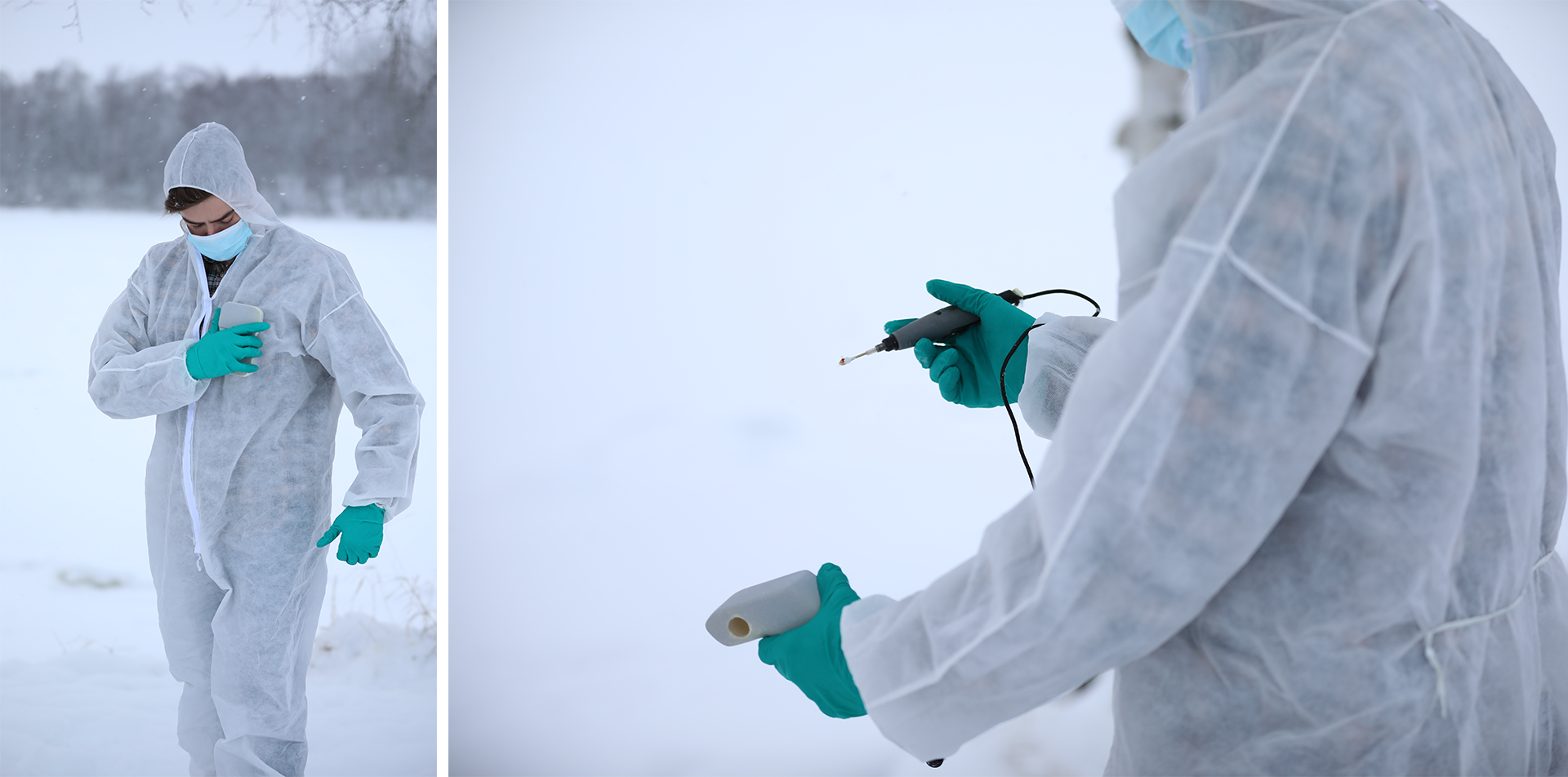
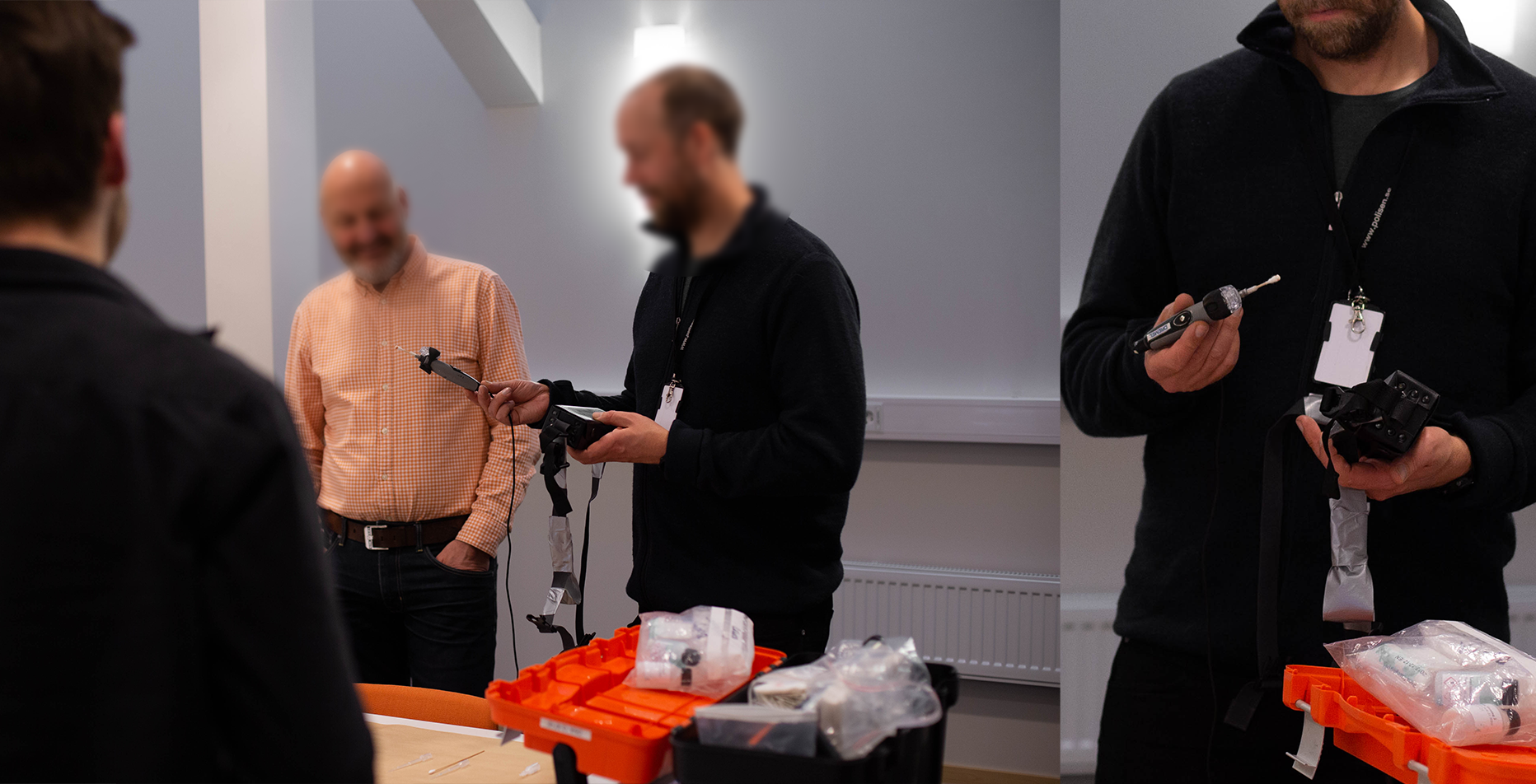
Concept validation - To validate the concept and get more input, the rough prototype has been presented and discussed with the forensic crime scene investigators. Quotes as "we swab a lot of samples that turn out to have no evidence on them", "our current procedure requires 2 hands and can be messy and inefficient" and "this can be helpful while documenting" indicated the potential of the concept.
Early prototypes
2023 redesign
About 1.5 years after the project, I decided to redesign the product as delivered for university.
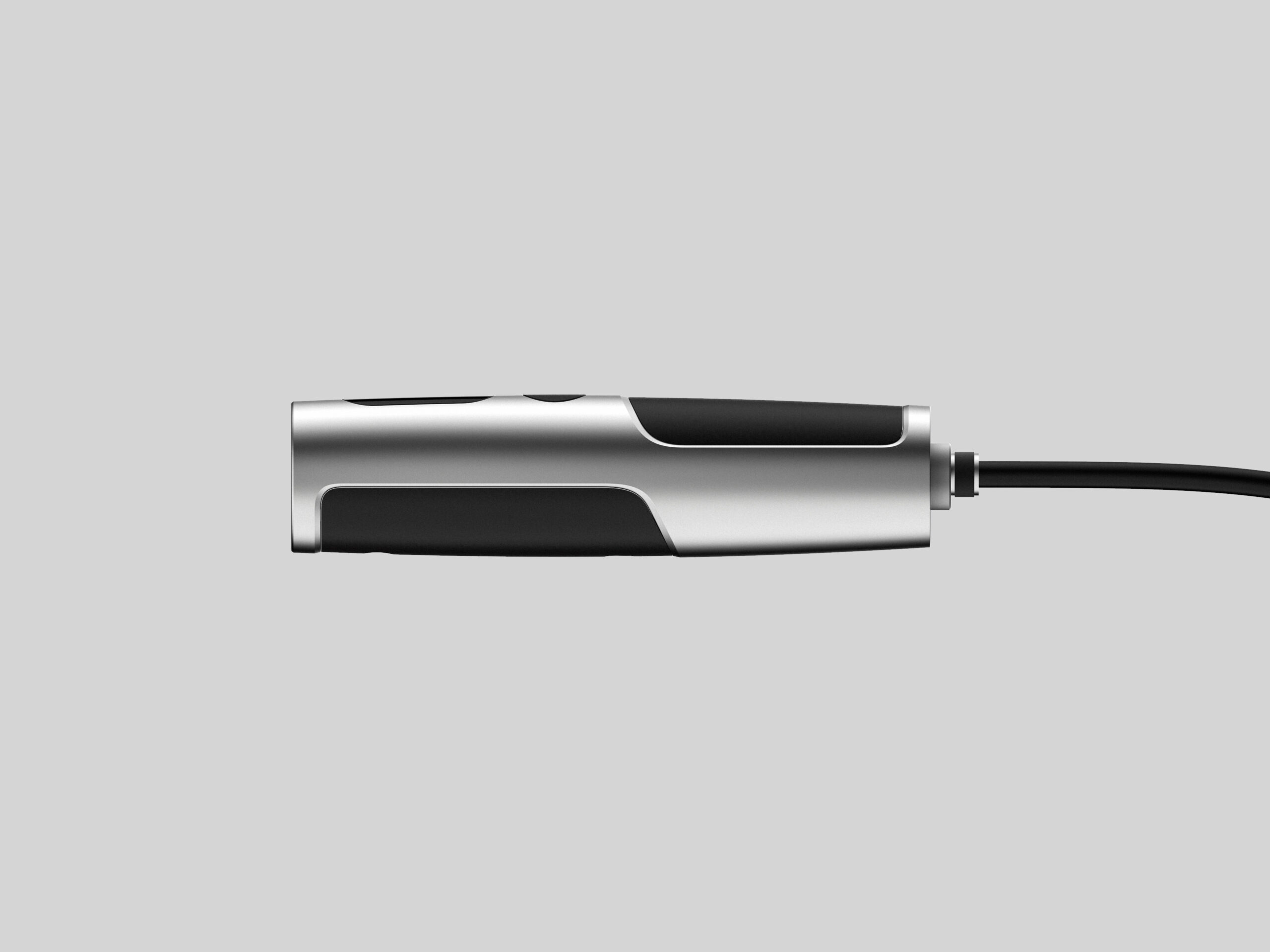
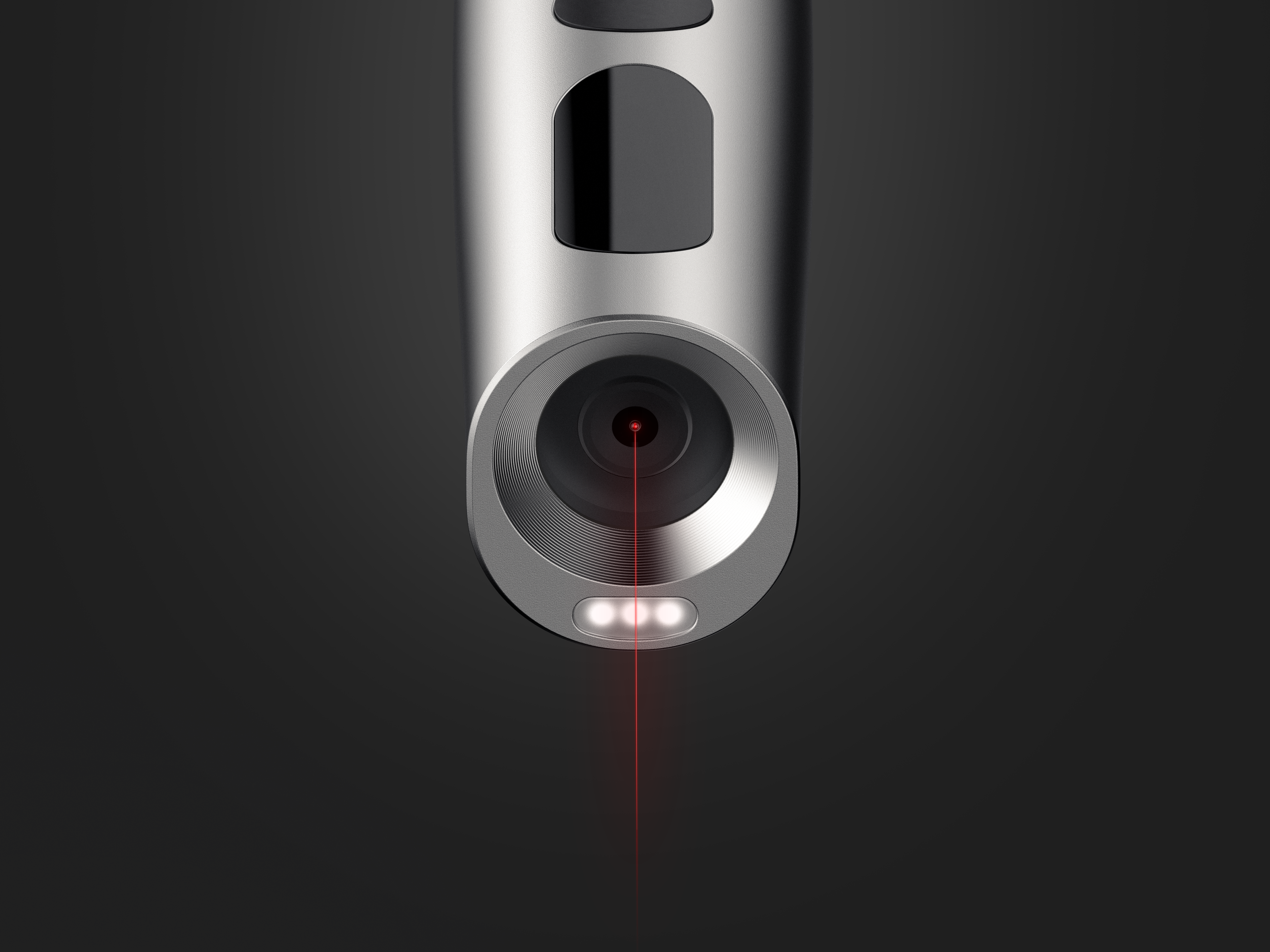
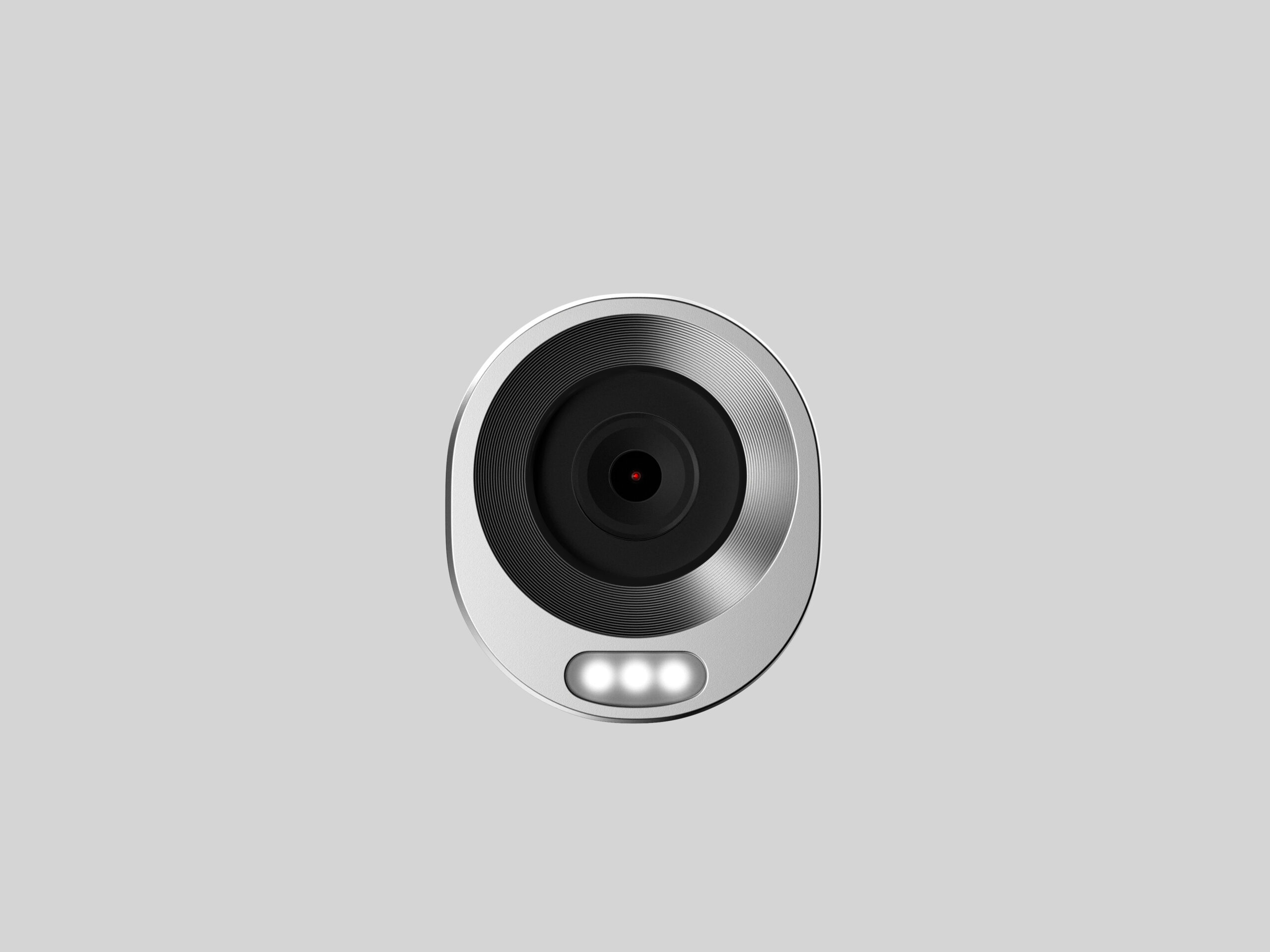
Once the product is pointed at a sample, the forensic investigator can press the button to start the analysis. After a few seconds of analyzing, the display provides all necessary information about the sample and whether it is worth taking.